does cutting out carbs help lose weight Struggling with obesity
The evidence surrounding the effectiveness of cutting carbs to lose weight is a topic that has garnered considerable attention in recent years. While many individuals swear by the low-carb, high-fat ketogenic diet as a means of shedding pounds, it is essential to consider the scientific evidence before making any dietary changes. In this article, we will discuss the pros and cons of a low-carb diet and its potential impact on weight loss.
Understanding the Basics: Carbohydrates and Weight Gain
Carbohydrates are one of the three essential macronutrients found in food, alongside fats and proteins. They are a crucial source of energy for our bodies, providing fuel for vital functions such as brain activity and physical activity.
However, not all carbohydrates are created equal. Processed and refined carbs, such as white bread, pasta, and sugary snacks, have been associated with weight gain and an increased risk of chronic diseases like diabetes and heart disease. These carbs tend to be low in fiber and nutrients, leading to rapid spikes in blood sugar levels and subsequent crashes, which can leave you feeling hungry and craving more unhealthy foods.
Low-Carb Approach: The Ketogenic Diet
The ketogenic diet, often referred to as the keto diet, is a low-carb, high-fat diet that has gained popularity for its potential weight loss benefits. The main idea behind this diet is to drastically reduce carbohydrate intake and replace it with fats, forcing the body to enter a state of ketosis, where it burns fat for fuel instead of carbohydrates.
Proponents of the keto diet argue that reducing carb intake leads to lower insulin levels, increased fat burning, and greater weight loss compared to traditional low-fat, high-carb diets. They also claim that the keto diet can suppress appetite and reduce cravings, making it easier to adhere to a calorie-restricted diet.
The Evidence: Does Cutting Carbs Aid Weight Loss?
Research on the effectiveness of the ketogenic diet for weight loss is limited but promising. A study published in The New England Journal of Medicine found that individuals following a low-carb diet achieved greater weight loss over two years compared to those on a low-fat diet. However, it’s important to note that the difference in weight loss between the two groups was modest.
Other studies have also demonstrated a significant decrease in body weight and waist circumference in individuals following a low-carb diet. However, these studies often have small sample sizes and relatively short durations, limiting their generalizability.
Potential Health Risks and Considerations
While cutting carbs may lead to initial weight loss and improvements in certain health markers, it is essential to consider the potential drawbacks and risks associated with a low-carb diet.
The keto diet, in particular, can be challenging to sustain in the long term due to its restrictive nature and limited food choices. It may also lead to nutritional deficiencies if not carefully planned, as certain vitamins and minerals are predominantly found in carbohydrate-rich foods.
Additionally, the high intake of fats, particularly saturated fats, in the keto diet may raise concerns about cardiovascular health. Saturated fats have long been associated with an increased risk of heart disease, so it is crucial to prioritize healthy sources of fats, such as avocados, nuts, and olive oil, rather than relying on processed meats and unhealthy oils.
 Conclusion: Balancing Carbs for Optimal Weight Management
While cutting carbs can lead to weight loss, it is not a one-size-fits-all solution. Each individual’s response to different diets can vary, and considering one’s overall health, lifestyle, and personal preferences is crucial.
Instead of completely eliminating carbs, it may be more effective and sustainable to focus on consuming complex carbohydrates, such as whole grains, legumes, and vegetables, while minimizing processed and refined carbs. These complex carbs provide essential nutrients, fiber, and slow-releasing energy, helping you feel fuller for longer and supporting overall health.
Always Consult a Healthcare Professional
Prior to making any significant changes to your diet, it is essential to consult with a healthcare professional or registered dietitian. They can help assess your individual needs and provide personalized recommendations to support your weight loss journey in a safe and healthy manner.
 Remember, achieving sustainable weight loss requires adopting a well-rounded, balanced approach that incorporates regular physical activity, adequate rest, and mindful eating habits. By making informed choices and focusing on long-term health and wellness, you can achieve your weight loss goals without compromising your overall well-being.
If you are looking for Cutting Carbs to Lose Weight? Consider the Evidence — Eat This Not That you’ve came to the right web. We have 5 Pictures about Cutting Carbs to Lose Weight? Consider the Evidence — Eat This Not That like Cutting Carbs to Lose Weight? Consider the Evidence — Eat This Not That, Pin on Fitness and also Cutting Carbs to Lose Weight? Consider the Evidence — Eat This Not That. Here you go:
Cutting Carbs To Lose Weight? Consider The Evidence — Eat This Not That
 www.eatthis.comcarbs
Low Carbohydrate Diet: Carb Myths Not To Believe | Reader’s Digest
 www.rd.commyths carbs carbohydrate istock diet low health
Pin On Healthy Eats
 www.pinterest.co.ukcarbs
Pin On Fitness
www.pinterest.comcarbs
Struggling With Obesity - The Impact It Can Cause On Mind And Body
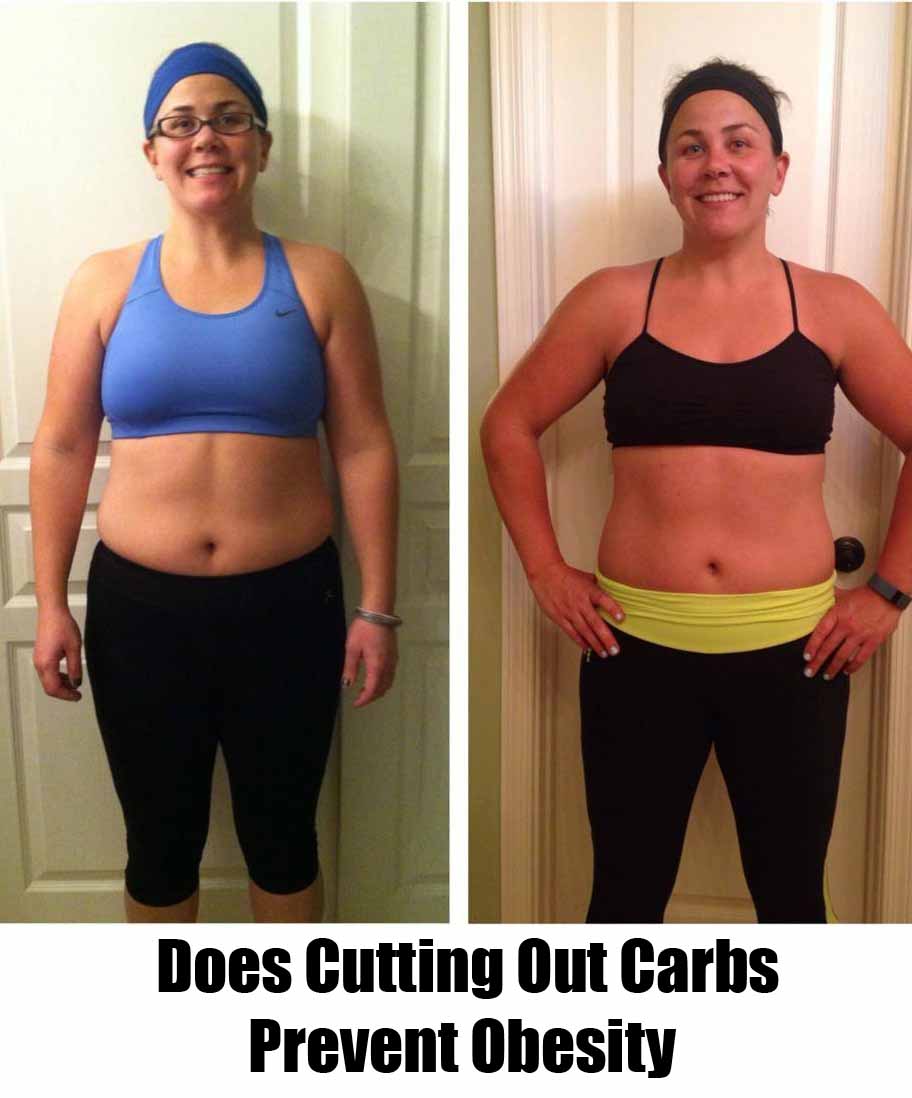 struggling-obesity.blogspot.comobesity carbs cutting prevent does becoming frowned carbohydrates seem fats due same going did way they their
Pin on healthy eats. Myths carbs carbohydrate istock diet low health. Pin on fitness